

Many people assume jewellery design begins with drawing. They imagine a designer sitting with paper and pencil sketching rings and necklaces. But the truth is far more interesting. Jewellery design does not begin with drawing. It begins with thinking — with a way of seeing the world differently.
Many people assume jewellery design begins with drawing. They imagine a designer sitting with paper and pencil sketching rings and necklaces. But the truth is far more interesting. Jewellery design does not begin with drawing. It begins with thinking — with a way of seeing the world differently.
Jewellery Design Is More Than Decoration
To think like a jewellery designer, it is important to understand that jewellery is not merely an ornament. Jewellery carries emotion, symbolism, and identity. For centuries, jewellery has been used to celebrate important moments in life — weddings, anniversaries, achievements, and cultural rituals.
Great jewellery design considers the story behind the design, the materials used, the comfort and wearability of the piece, and the craftsmanship required to create it. When these elements work together, jewellery becomes wearable art.
Designers See Inspiration Everywhere
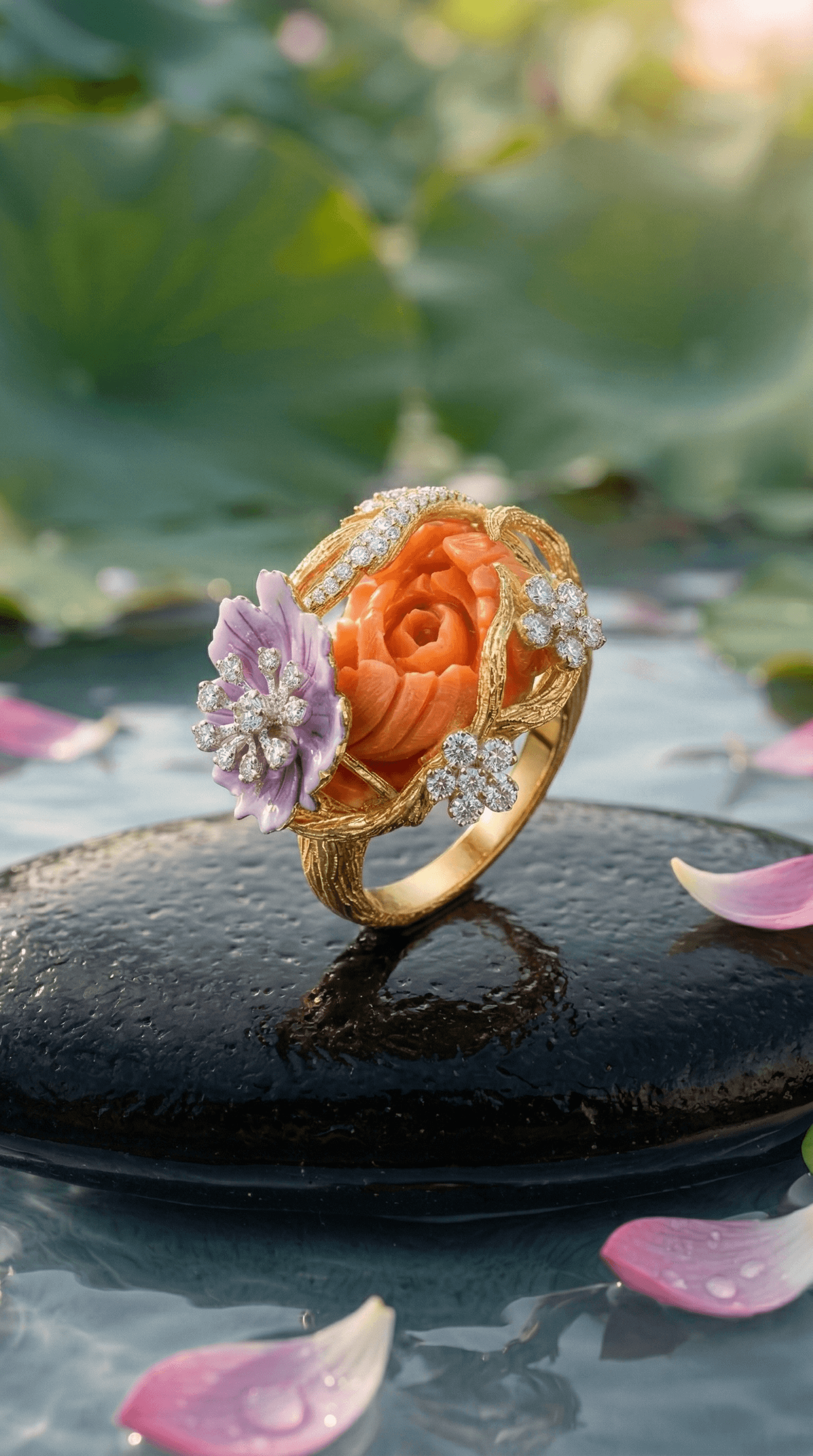
One of the most important characteristics of jewellery designers is their ability to see inspiration in unexpected places. The curves of ocean waves may inspire a bracelet design. The symmetry of architectural structures may influence a pendant. The texture of tree bark may inspire surface patterns in metal.
Designers train themselves to observe details that others may overlook. This process gradually builds a creative library of visual references.
Design Thinking Begins With Questions
Thinking like a jewellery designer also means asking the right questions. Before beginning a design, a designer might ask: What story should this jewellery piece tell? What emotions should it evoke? What materials best express this concept? How will the jewellery interact with the human body?
These questions guide the design process and help ensure that the final piece has meaning and coherence.
Travel Expands Creative Vision
Travel plays an important role in creative development. It exposes designers to new cultures, crafts, textures, and landscapes. For designer Sankesh Surana, travel has become an important source of inspiration — through initiatives such as The Designers Trail, exploration of landscapes and cultural environments becomes a way to discover new design concepts.