

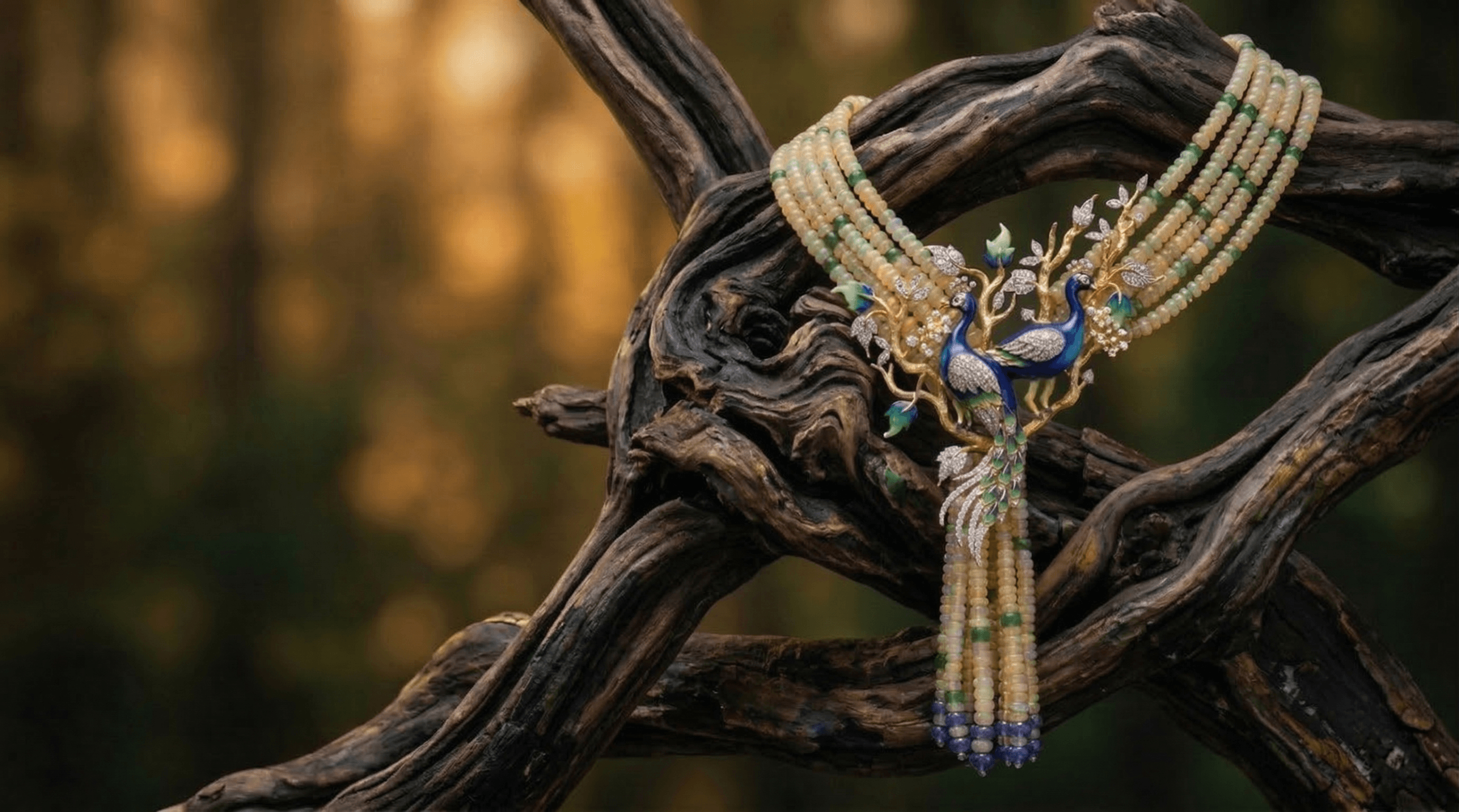
Every great jewellery design begins long before a sketch is drawn or a gemstone is selected. It begins with something far more subtle and powerful — observation. Observation allows designers to notice details, patterns, and textures that others may overlook, transforming everyday experiences into creative concepts.
Every great jewellery design begins long before a sketch is drawn or a gemstone is selected. It begins with something far more subtle and powerful — observation. Observation allows designers to notice details, patterns, and textures that others may overlook, transforming everyday experiences into creative concepts.
What Does Observation Mean in Design?
Observation in design goes far beyond simply looking at something. Most people glance at objects quickly and move on. Designers, however, take the time to study what they see — the way light interacts with surfaces, the textures of natural materials, the patterns found in architecture, and the symmetry or asymmetry in forms.
Nature: The Ultimate Design Teacher
Nature is one of the richest sources of inspiration for jewellery designers. Natural forms often display incredible complexity and beauty. The intricate geometry of a snowflake, the delicate veins of a leaf, or the layered textures of seashells each contain visual information that can inspire jewellery design.
Many designers spend time observing natural landscapes, plants, and textures because they reveal design principles that are both visually appealing and structurally balanced.
Textures That Tell Stories
Textures are one of the most fascinating elements a designer can observe. The world is full of surfaces with unique textures — weathered stone walls, tree bark, woven fabrics, coral reefs, and aged metals.
For jewellery designers, studying textures helps create pieces that feel more dynamic and expressive. Designers who pay attention to textures can create jewellery that feels alive and tactile.
Travel Expands Observational Skills
Travel can significantly enhance a designer's ability to observe. Different regions reveal new cultures, crafts, landscapes, and artistic traditions. Designer Sankesh Surana often emphasizes travel as an important part of creative exploration, encouraging designers to discover inspiration through exploration and observation.